Source Geotextile Dynamic Perforation Tester for Testing, Quality, and Research
Compare 30 geotextile dynamic perforation testers from verified suppliers. These machines support appearance quality testing, textile fabric analysis, and geotextile performance evaluation with digital controls and adjustable water heads; compare the available evidence and request quotations based on your requirements.
Key considerations
Products List






Comprehensive Sourcing Guide
Geotextile Dynamic Perforation Tester Sourcing Guide
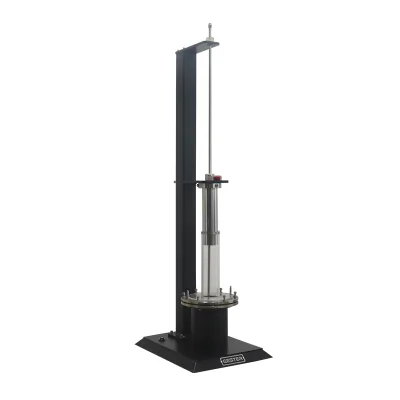
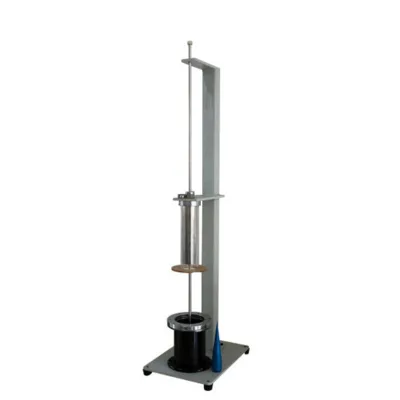
The geotextile dynamic perforation tester is a specialized instrument designed to evaluate the resistance of geosynthetic materials against dynamic impact and penetration forces. Based on observed market listings, these units are frequently utilized for appearance quality testing and textile fabric analysis, ensuring that materials meet rigorous performance thresholds before deployment in civil engineering projects. Buyers should recognize that while the core function remains consistent, specific configurations vary significantly to accommodate different sample dimensions and testing standards.
Procurement decisions must account for the diverse operational parameters found in current listings, such as varying power requirements ranging from AC220V to AC380V and distinct weight capacities. Some models feature digital displays and manual controls, while others offer automatic grading capabilities. It is critical to verify that the selected unit aligns with the specific thickness and diameter of the geotextile samples being tested, as observed specifications include sample thickness ranges from 0.1mm to 20mm and clamping cylinder diameters of 50mm or 52mm.
Product Scope and Observed Listing Signals
Current market data indicates a price range between 100 and 10,000 USD, reflecting the wide spectrum of capabilities from basic manual units to advanced automated systems. The minimum order quantity is consistently observed at one unit, suggesting that these machines are typically sold as individual pieces rather than in bulk batches. Buyers should note that the observed weight of these devices varies considerably, with some units weighing as little as 55kg while others exceed 500kg, directly influencing shipping logistics and facility floor load requirements.
Listing signals reveal that manufacturers often provide detailed packing specifications, such as carton packaging or standard export wooden cases, which are essential for protecting sensitive components during transit. The physical dimensions of the equipment also differ, with some models measuring approximately 435×575×1600mm and others around 360×300×736mm. Prospective buyers must carefully review these physical attributes to ensure the testing machine fits within their laboratory space and can be safely installed without requiring major structural modifications.
Technical Specifications to Verify
When evaluating technical specifications, the inner diameter of the clamping ring and the holder are critical parameters that must match the sample size to ensure accurate test results. Observed data shows inner diameters of 150±0.5mm for clamping rings and 50mm for holders, with some models supporting sample diameters of 52mm or 100mm. Verification of these dimensions is paramount, as a mismatch can lead to sample slippage or uneven stress distribution, rendering the perforation test data invalid for quality assurance purposes.
Power supply compatibility and measurement precision are equally vital considerations for operational success. Listings indicate power sources of AC220V or AC380V, with some units specifying a tolerance of ±10% at 50Hz. Additionally, the accuracy of time counters, thermometers, and water head adjustments varies, with some models offering resolutions as fine as 0.01mm for water level measurement. Buyers must confirm that the specific model's resolution and range, such as a water head adjustment of 0-250mm or 0-300mm, align with the specific testing protocols required by their organization.
Compliance and Safety Documentation
Safety and regulatory compliance are non-negotiable aspects of sourcing industrial testing equipment, particularly when dealing with high-pressure or automated systems. Several observed listings explicitly mention CE certification, indicating adherence to European health, safety, and environmental protection standards. Buyers should request valid certification documents for every unit purchased to ensure that the electrical and mechanical components meet the necessary safety requirements for operation in their specific jurisdiction.
Beyond basic safety certifications, quality management systems play a crucial role in validating the reliability of the testing apparatus. Some suppliers provide certificates such as ISO 17025, which demonstrates competence in performing specific tests and calibrations. It is essential to verify that the equipment complies with relevant industry standards like GB/T 1763, ISO 13433, or Jtg E50, as these standards define the precise methodologies for geotextile testing. Ensuring that the machine is certified against these specific standards guarantees that the generated data will be accepted by regulatory bodies and clients.
Cost Drivers and Commercial Terms
The final cost of a geotextile dynamic perforation tester is influenced by a combination of factors including automation level, material construction, and included accessories. Units featuring automatic grading and digital water level measurement sensors often command higher prices compared to manual control models. Additionally, the inclusion of high-precision components, such as stainless steel cones with specific taper angles or measuring cylinders with tight accuracy tolerances, contributes to the overall valuation of the equipment.
Commercial terms regarding packaging and origin also impact the total cost of ownership. Products originating from Dongguan City, Guangdong Province, China, are common in the market, and shipping costs will vary based on whether the unit is packed in a standard carton or a heavy-duty wooden case. Buyers should clarify whether the quoted price includes all necessary accessories, such as the 1000ml measuring cylinders or specific clamping rings, to avoid unexpected expenses during the setup and calibration phase of the procurement process.
Supplier Qualification and Quality Control
Supplier qualification should extend beyond basic product availability to include a thorough assessment of their manufacturing capabilities and quality control processes. The presence of certifications like CE and ISO 17025 suggests a commitment to maintaining high standards, but buyers should also inquire about the supplier's history with similar geotextile testing equipment. Verifying the supplier's ability to provide consistent product quality is essential, especially given the precision required for measurements like the 500±2mm distance from the tip of the steel cone.
Quality control measures must be integrated into the procurement workflow to ensure that the delivered equipment meets the specified performance criteria. Buyers should request pre-shipment inspection reports that verify critical dimensions, such as the 150±0.5mm inner diameter of the clamping ring or the 600±5g cone quality. Establishing a clear protocol for post-delivery verification, including calibration checks against known standards, will help mitigate the risk of receiving non-compliant units and ensure immediate operational readiness.
Long-Term Procurement Checks
Long-term procurement success depends on the availability of spare parts and the supplier's capacity to provide ongoing technical support. Given the mechanical nature of dynamic perforation testers, components like clamping rings, cones, and sensors may require replacement or recalibration over time. Buyers should confirm that the supplier maintains an inventory of critical spare parts and can provide timely service to minimize downtime during critical testing phases.
Documentation and software updates are also vital for maintaining the integrity of test data over the lifespan of the equipment. As testing standards evolve, the ability to update the machine's firmware or adjust its parameters to align with new regulations is crucial. Buyers should ensure that the supplier offers comprehensive user manuals, calibration certificates, and access to technical support channels to facilitate the long-term maintenance and operational efficiency of the geotextile dynamic perforation tester.
FAQs
What power supply options are available for these testers?
Most models operate on AC 220V, with some industrial variants supporting AC 380V. The standard power supply is AC 220V ± 10% at 50Hz. This ensures compatibility with standard workshop electrical systems. Always verify the specific voltage requirement for your chosen model, such as ZL-2401 or ZL-2406, to match your facility's infrastructure.
Can the equipment be customized for specific testing needs?
Yes, customization is available for many of these dynamic perforation testers. Buyers can often request adjustments to clamping rings, sample diameters, or control interfaces. This flexibility allows the equipment to meet specific industry standards like GB/T 1763 or ISO 13433. Contact suppliers directly to discuss your unique application requirements and potential modifications.
What certifications do these testing machines typically hold?
Many units come with CE certification, ensuring compliance with European safety standards. Some suppliers also provide ISO 17025 documentation for laboratory accreditation. These certifications verify the machine's quality and reliability for professional testing environments. Always request valid certificates from the manufacturer to ensure the equipment meets your regional regulatory and quality assurance requirements.
How is the equipment packaged for international shipping?
Standard export wooden cases are commonly used for heavy or sensitive units to ensure safe transit. Some smaller models may use carton packaging. The packaging is designed to protect the machine from damage during long-distance logistics. This robust packaging method helps maintain the precision of components like digital sensors and clamping mechanisms upon arrival at your facility.
What is the typical weight and size of these testers?
Weights vary significantly, ranging from approximately 25KG to over 100KG depending on the model. Dimensions also differ, with some units measuring around 360×300×736mm. Heavier models often include more robust frames for high-pressure testing. Check the specific product standard dimensions for your selected model to plan your laboratory space and handling equipment accordingly.
Which industries can use these dynamic perforation testers?
These testers are primarily used for geotextiles, composites, and textile fabrics. They are essential for appearance quality testing and material durability assessment. The equipment helps manufacturers ensure their products meet strict industry standards. Applications include civil engineering materials, construction composites, and specialized textile products requiring rigorous perforation resistance evaluation.